charlemagne
US /ˈʃɑrləˌmen/
・UK /ˈʃɑ:ləˈmein/
A1
prop. n.Proper NounKing of the Franks and Holy Roman Emperor; ruled from 768 to 814.
Charlemagne was a powerful and influential ruler in medieval Europe.
n.NounRelating to the period of Charlemagne's reign or his empire.
The Charlemagne era saw significant cultural and political developments.
Video subtitles
Knight
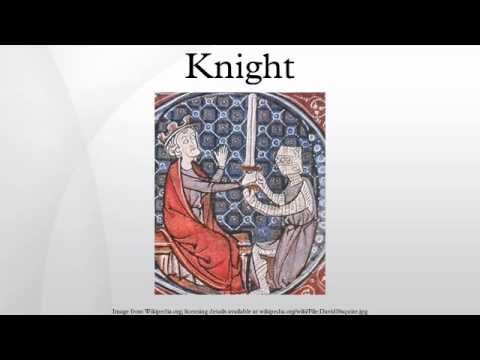
- Both arose under the reign of the Frankish Emperor Charlemagne, from which the knighthood of the Middle Ages can be seen to have had its genesis.
Both arose under the reign of the Frankish Emperor Charlemagne, from which the knighthood of the Middle Ages can be seen to have had its genesis.
- under the reign of the Frankish emperor Charlemagne, from which the knighthood of the Middle Ages
under the reign of the Frankish emperor Charlemagne, from which the knighthood of the Middle Ages
HISTORY OF IDEAS - Manners

- However, with little knowledge of odontology, Romans use a variety of somewhat random ingredients for toothpaste. Crushed bone and oyster shell is popular, horse urine is another favourite especially from Iberian breeds. The specifics of the Roman approach to oral hygiene may be questionable, but the mentality is advanced and fascinating. Good personal appearance and cleanliness are believed to be what set Romans apart in their minds from what they term the barbaria, the people who live north of the famous olive line, the line above which the noble olive tree will not grow, the Germanics and Celts among them. Humanity will have to wait a while until Charlemagne is next recorded as brushing his teeth with thyme.
However, with little knowledge of odontology, Romans use a variety of somewhat random ingredients for toothpaste. Crushed bone and oyster shell is popular, horse urine is another favourite especially from Iberian breeds. The specifics of the Roman approach to oral hygiene may be questionable, but the mentality is advanced and fascinating. Good personal appearance and cleanliness are believed to be what set Romans apart in their minds from what they term the barbaria, the people who live north of the famous olive line, the line above which the noble olive tree will not grow, the Germanics and Celts among them. Humanity will have to wait a while until Charlemagne is next recorded as brushing his teeth with thyme.
- Humanity will have to wait a while until Charlemagne is next recorded as brushing his teeth with time.
Humanity will have to wait a while until Charlemagne is next recorded as brushing his teeth with time.
◄ Strasbourg Cathedral, France [HD] ►
![◄ Strasbourg Cathedral, France [HD] ►](https://img.youtube.com/vi/RNdOzVXa1vY/hqdefault.jpg)
- This cathedral was later replaced with a larger one, completed under the reign of Charlemagne.
This cathedral was later replaced with a larger one, completed under the reign of Charlemagne.
- one, completed under the reign of Charlemagne. This cathedral caught fire several times but
one, completed under the reign of Charlemagne. This cathedral caught fire several times but
◄ Notre Dame de Paris, Paris [HD] ►
![◄ Notre Dame de Paris, Paris [HD] ►](https://img.youtube.com/vi/O61ng_QqC4I/hqdefault.jpg)
- The inscription reads, "Charlemagne est élève," meaning Charlemagne and his noble servants.
The inscription reads, "Charlemagne est élève," meaning Charlemagne and his noble servants.
- a large statue to your right. The inscription reads "Charlemagne et ses levdes", meaning
a large statue to your right. The inscription reads "Charlemagne et ses levdes", meaning
The greatest guitar solo of all time | Rick Beato and Lex Fridman

- Number three was "Kid Charlemagne," a steely dance solo, Larry Carlton, an amazing solo, extremely difficult to figure out.
Number three was "Kid Charlemagne," a steely dance solo, Larry Carlton, an amazing solo, extremely difficult to figure out.
- Number three was Kid Charlemagne, a steely dance solo.
Number three was Kid Charlemagne, a steely dance solo.
9 Reasons To Learn Another Language.║Lindsay Does Languages Video
- is to possess a second soul. Charlemagne. Reason number liu: From the Alzheimer's Society
is to possess a second soul. Charlemagne. Reason number liu: From the Alzheimer's Society
- Quote number 3: "To have another language is to possess a second soul." Charlemagne knew.
Quote number 3: "To have another language is to possess a second soul." Charlemagne knew.
No Kings Rallies Can’t Stop CPAC's Trump Glazing & Iran War Hits One Month | The Daily Show

- It's the guy that's so good it makes the people want a king, a Charlemagne, an Alexander, a Ralph.
It's the guy that's so good it makes the people want a king, a Charlemagne, an Alexander, a Ralph.
- It's the guy that's so good it makes the people want a king, a Charlemagne, an Alexander, a Ralph.
It's the guy that's so good it makes the people want a king, a Charlemagne, an Alexander, a Ralph.
研究者だけど「中世ヨーロッパ」について質問ある?| Tech Support | WIRED Japan
- Other medieval individuals who had actual named swords include Charlemagne, who had Joyeuse, his nephew Roland, Durandal.
Other medieval individuals who had actual named swords include Charlemagne, who had Joyeuse, his nephew Roland, Durandal.
- Other medieval individuals who had actual named swords include Charlemagne, who had Joyeuse, his nephew Roland, Durendal.
Other medieval individuals who had actual named swords include Charlemagne, who had Joyeuse, his nephew Roland, Durendal.
Book 08 - The Hunchback of Notre Dame Audiobook by Victor Hugo (Chs 1-6)
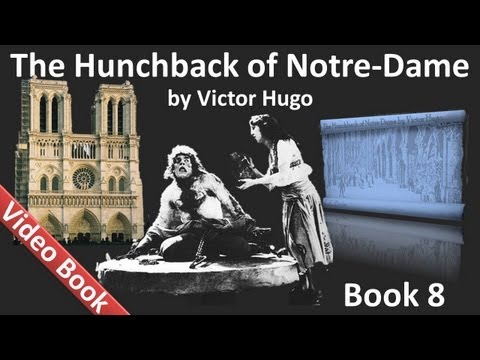
- The capitularies of Charlemagne and of Louis La Demonnaire impose severe penalties on fiery phantoms which presume to appear in the air.
The capitularies of Charlemagne and of Louis La Demonnaire impose severe penalties on fiery phantoms which presume to appear in the air.
- The capitularies of Charlemagne and of Louis le Debonnaire impose severe penalties
The capitularies of Charlemagne and of Louis le Debonnaire impose severe penalties
Little Europe: Five Micro-Countries
- In their national anthem, Andorran sing of Charlemagne rescuing their land from the Moors back in 803.
In their national anthem, Andorran sing of Charlemagne rescuing their land from the Moors back in 803.
- The country has a long history. In their national anthem, Andorrans sing of Charlemagne rescuing
The country has a long history. In their national anthem, Andorrans sing of Charlemagne rescuing