biomass
US /'baɪoʊmæs/
・UK /'baɪəʊmæs/
B2
n. (u.)Uncountable NounNumber of living things in a particular area
The biomass in a hot, dry desert is much higher than most people would suppose
Video subtitles
Could earthworms help transform the future of organic farming? - BBC World Service, CrowdScience

- But we've also looked at above-ground biomass, so that's the entire plants.
But we've also looked at above-ground biomass, so that's the entire plants.
- biomass, so that's the entire plant. They all increased about 20 to 25%.
biomass, so that's the entire plant. They all increased about 20 to 25%.
How can smart tech tackle climate change? CrowdScience - BBC World Service
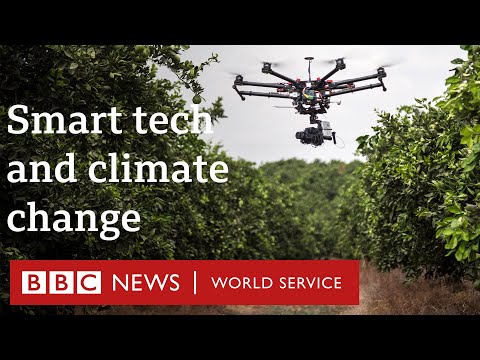
- which are also often made from fossil fuels like natural gas from deforestation to biomass burning.
which are also often made from fossil fuels like natural gas from deforestation to biomass burning.
- From the methane belching livestock to the gases produced from using fertiliser, which are also often made from fossil fuels like natural gas, from deforestation to biomass burning.
From the methane belching livestock to the gases produced from using fertiliser, which are also often made from fossil fuels like natural gas, from deforestation to biomass burning.
Renewable Energy Explained in 2 1/2 Minutes
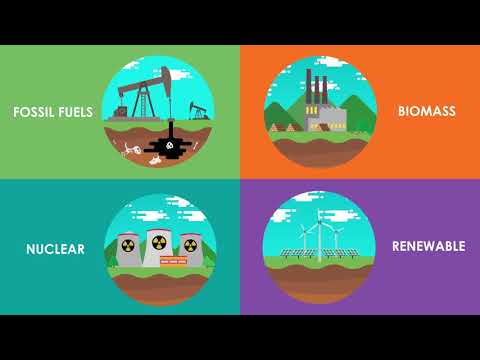
- additionally we gather energy from biomass
additionally we gather energy from biomass
- Additionally, we gather energy from biomass, nuclear, and renewables.
Additionally, we gather energy from biomass, nuclear, and renewables.
元ニューヨーク都市計画者だけど質問ある? | Tech Support | WIRED Japan

- They take solar energy and they turn it into biomass,
They take solar energy and they turn it into biomass,
- and that biomass pulls the energy out of the microclimate system and beyond that turns it into shade, which then protects the pavement itself from getting overhot,
and that biomass pulls the energy out of the microclimate system and beyond that turns it into shade, which then protects the pavement itself from getting overhot,
Walter Stahel: Circular Economy
- Yet the resources on our planet are non-renewable and finite, except for rainfall, sunlight, biomass, animals, and people.
Yet the resources on our planet are non-renewable and finite, except for rainfall, sunlight, biomass, animals, and people.
- except for rainfall, sunlight, biomass, animals, and people.
except for rainfall, sunlight, biomass, animals, and people.
Your Time Machine Broke - At The Worst Time In History

- A paradise for plants growing faster than their dead biomass can decompose.
A paradise for plants growing faster than their dead biomass can decompose.
- A paradise for plants, growing faster than their dead biomass can decompose.
A paradise for plants, growing faster than their dead biomass can decompose.
Science says mixed race people are more attractive

- Hybrid vigor, also known as heterosis or outbreeding enhancement, is the phenomenon that a hybrid offspring has improved traits like growth rate, biomass, stress tolerance, and
Hybrid vigor, also known as heterosis or outbreeding enhancement, is the phenomenon that a hybrid offspring has improved traits like growth rate, biomass, stress tolerance, and
- Hybrid vigor, also known as heterosis or outbreeding enhancement, is the phenomenon that a hybrid offspring has improved traits like growth rate, biomass, stress tolerance, and fertility.
Hybrid vigor, also known as heterosis or outbreeding enhancement, is the phenomenon that a hybrid offspring has improved traits like growth rate, biomass, stress tolerance, and fertility.
California Sea Otters: Life on the Edge - Full Episode
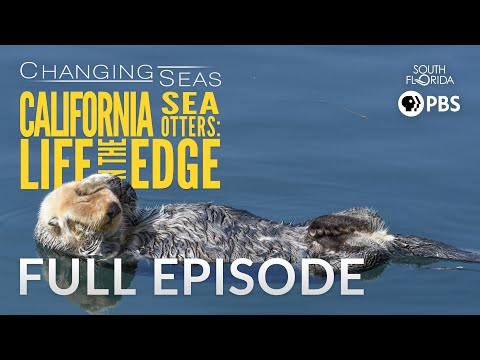
- They eat 25% of their biomass every day just to stay alive.
They eat 25% of their biomass every day just to stay alive.
- They eat 25% of their biomass every day just to stay alive.
They eat 25% of their biomass every day just to stay alive.
5 Human Impacts on the Environment: Crash Course Ecology #10

- And all around us, we find sources of fuel, whether it's biomass in the form of grasses or wood, hydropower in the form of flowing water, or the carbon locked in millions of years old trees that we're now re-releasing into the atmosphere.
And all around us, we find sources of fuel, whether it's biomass in the form of grasses or wood, hydropower in the form of flowing water, or the carbon locked in millions of years old trees that we're now re-releasing into the atmosphere.
- And all around us we find sources of fuel, whether it's biomass
And all around us we find sources of fuel, whether it's biomass
California Sea Otters: Life on the Edge | Changing Seas
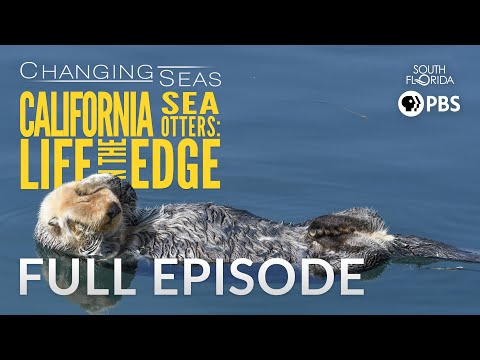
- They eat 25% of their biomass every day, just to stay alive.
They eat 25% of their biomass every day, just to stay alive.
- They eat 25% of their biomass every day just to stay alive.
They eat 25% of their biomass every day just to stay alive.