aristocratic
US /əˌrɪstəˈkrætɪk/
・UK /ˌærɪstəˈkrætɪk/
B2
adj.AdjectiveBeing/acting like one from the highest social group
The fancy party in the castle was attended by many members of the country's aristocratic families
Video subtitles
Knight
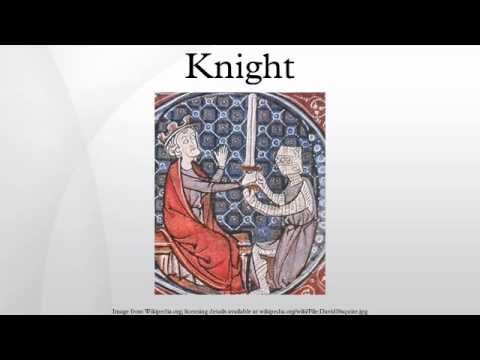
- Linguistically, the association of horse ownership with social status extends back at least as far as ancient Greece, where many aristocratic names incorporated the Greek word for horse, like Hippocras and Xenagyp.
Linguistically, the association of horse ownership with social status extends back at least as far as ancient Greece, where many aristocratic names incorporated the Greek word for horse, like Hippocras and Xenagyp.
- The character Pheodipides in Aristophanes' Clouds has his grandfather's name with hype inserted to sound more aristocratic.
The character Pheodipides in Aristophanes' Clouds has his grandfather's name with hype inserted to sound more aristocratic.
'School of Hard Knocks' founder reveals the 'biggest' lesson in business he has learned

- It's it's very aristocratic, right? Well, thank you for having me
It's it's very aristocratic, right? Well, thank you for having me
- It's very aristocratic.
It's very aristocratic.
How 156 years of British rule shaped Hong Kong

- These two traditions played out side by side in the city for many years in a divided way, with the Chinese down in their crowded slums drinking their tea in their tea houses and the British up on the hills in their aristocratic homes sipping their milk tea.
These two traditions played out side by side in the city for many years in a divided way, with the Chinese down in their crowded slums drinking their tea in their tea houses and the British up on the hills in their aristocratic homes sipping their milk tea.
- British up on the hills in their aristocratic homes
British up on the hills in their aristocratic homes
Medieval Europe: Crash Course European History #1

- Like, non-aristocratic soldiers from England and Wales used the longbow, famed for its combined deadly speed and accuracy, and that helped the English prevail at the Battle of Agincourt.
Like, non-aristocratic soldiers from England and Wales used the longbow, famed for its combined deadly speed and accuracy, and that helped the English prevail at the Battle of Agincourt.
- Like, non-aristocratic soldiers from England and Wales used the longbow, famed for its combined deadly speed and accuracy.
Like, non-aristocratic soldiers from England and Wales used the longbow, famed for its combined deadly speed and accuracy.
Why an Ordinary Life Can Be a Good Life

- Up to this point, the most prestigious cultural works had emphasized the merits and value of aristocratic, military, and
Up to this point, the most prestigious cultural works had emphasized the merits and value of aristocratic, military, and
- cultural works had emphasised the merits and
value of aristocratic, military and religious
cultural works had emphasised the merits and value of aristocratic, military and religious
Why Millennials Love Gucci

- Gucci's founder, Guccio Gucci, originally designed leather goods for the aristocratic upper classes, specializing in horseback riding gear.
Gucci's founder, Guccio Gucci, originally designed leather goods for the aristocratic upper classes, specializing in horseback riding gear.
- Gucci's founder, Guccio Gucci, originally designed leather goods for the aristocratic upper classes, specializing in horseback riding gear.
Gucci's founder, Guccio Gucci, originally designed leather goods for the aristocratic upper classes, specializing in horseback riding gear.
HISTORY OF IDEAS - Manners

- Rousseau now contrasts favourably with modern mannered people. Rousseau tells us that people living in what he calls the state of nature were, in his eyes, far superior to educated and mannered Parisians. Their manners may have been simple, but they were honest and forthright, without the sins of what he now terms the over-civilised. Rousseau retells the story of civilisation as one of loss and decline, from a primordial state of fresh-faced curiosity, honesty and enthusiasm, to barbarous over-politeness, fakery and deceit. He describes the elaborate French court at Versailles as less civilised than an early human cave. Readers across Europe are astonished, and not a little impressed, by this impudence. For hundreds of years, moralists have been arguing that our natural selves are wild, harmful, over-sexual and dangerous, and that we must learn to tame them for the sake of others. Now Rousseau suggests the diametrical opposite. Civilisation has gone too far, it's our mannered selves that have become the problem, and the task of a properly evolved civilisation is to throw off the chains of manners, to relax us, strip off the etiquette and return to primitive frankness. Rousseau's point continues to echo down to our own times. It is his voice we can hear whenever someone sticks up for the simpler life, and suggests we dress less formally, eat dinner more casually and more readily say whatever is passing through our minds. New York, United States, 1827. A French aristocrat, Alexis de Tocqueville, is on a tour of the young United States in an effort to understand the spirit of a new kind of society, a democracy. He is immediately struck by American manners, or lack thereof. In Europe, reflects de Tocqueville, manners have been codified to emphasise hierarchical differences between people. Ordinary people defer to aristocrats, aristocrats to royalty, and so on. But in the United States, everything is done so as to suggest that there are no differences between people. No one takes off their hat to anyone, a postman can casually greet a judge, a mule driver can strike up cheerful banter with a wealthy merchant, and one cannot tell by someone's clothes whether they might be living in a mansion or a hut. Expressions like how you doing and hi are heard everywhere across the new republic. It could be charming, but the aristocratic de Tocqueville wryly notes a problem. These casual manners do not do away with class and wealth differences. They merely sentimentally disguise them. The manners of old Europe have been accused of being cruel in their stress on hierarchy.
Rousseau now contrasts favourably with modern mannered people. Rousseau tells us that people living in what he calls the state of nature were, in his eyes, far superior to educated and mannered Parisians. Their manners may have been simple, but they were honest and forthright, without the sins of what he now terms the over-civilised. Rousseau retells the story of civilisation as one of loss and decline, from a primordial state of fresh-faced curiosity, honesty and enthusiasm, to barbarous over-politeness, fakery and deceit. He describes the elaborate French court at Versailles as less civilised than an early human cave. Readers across Europe are astonished, and not a little impressed, by this impudence. For hundreds of years, moralists have been arguing that our natural selves are wild, harmful, over-sexual and dangerous, and that we must learn to tame them for the sake of others. Now Rousseau suggests the diametrical opposite. Civilisation has gone too far, it's our mannered selves that have become the problem, and the task of a properly evolved civilisation is to throw off the chains of manners, to relax us, strip off the etiquette and return to primitive frankness. Rousseau's point continues to echo down to our own times. It is his voice we can hear whenever someone sticks up for the simpler life, and suggests we dress less formally, eat dinner more casually and more readily say whatever is passing through our minds. New York, United States, 1827. A French aristocrat, Alexis de Tocqueville, is on a tour of the young United States in an effort to understand the spirit of a new kind of society, a democracy. He is immediately struck by American manners, or lack thereof. In Europe, reflects de Tocqueville, manners have been codified to emphasise hierarchical differences between people. Ordinary people defer to aristocrats, aristocrats to royalty, and so on. But in the United States, everything is done so as to suggest that there are no differences between people. No one takes off their hat to anyone, a postman can casually greet a judge, a mule driver can strike up cheerful banter with a wealthy merchant, and one cannot tell by someone's clothes whether they might be living in a mansion or a hut. Expressions like how you doing and hi are heard everywhere across the new republic. It could be charming, but the aristocratic de Tocqueville wryly notes a problem. These casual manners do not do away with class and wealth differences. They merely sentimentally disguise them. The manners of old Europe have been accused of being cruel in their stress on hierarchy.
- It could be charming, but the aristocratic de Tocqueville wryly notes a problem.
It could be charming, but the aristocratic de Tocqueville wryly notes a problem.
Young Dracula - BBC Series - Season 1 Ep 3 "Mummy Returns"

- -French Aristocratic, 1792.
-French Aristocratic, 1792.
South Ireland: Waterford to the Ring of Kerry

- With the dramatic summit of the great Sugarloaf Mountain as a backdrop, this garden is a well-watered aristocratic fantasy.
With the dramatic summit of the great Sugarloaf Mountain as a backdrop, this garden is a well-watered aristocratic fantasy.
- THIS GARDEN IS A WELL-WATERED ARISTOCRATIC FANTASY.
THIS GARDEN IS A WELL-WATERED ARISTOCRATIC FANTASY.
BBC 6 Minute English April 28, 2016 - Is chivalry dead?
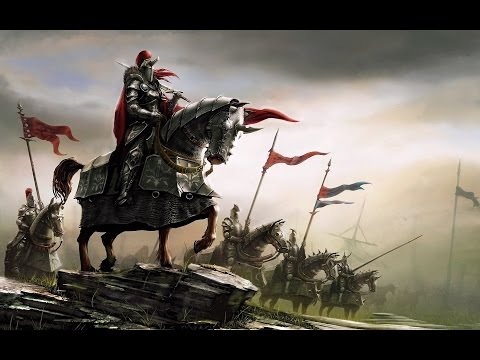
- Alice: Well, courtly love was a social code governing behaviour between aristocratic men and women
Alice: Well, courtly love was a social code governing behaviour between aristocratic men and women
- Well, courtly love was a social code governing behaviour between aristocratic men and women that developed at the same time and amongst the same people as chivalry,
Well, courtly love was a social code governing behaviour between aristocratic men and women that developed at the same time and amongst the same people as chivalry,