aristocracy
US /ˌærɪˈstɑ:krəsi/
・UK /ˌærɪˈstɒkrəsi/
B2
n.NounPrivileged ruling class
Princess Diana's father was a member of the British aristocracy
Video subtitles
6 Historical Hangovers Making Us Miserable Today
- However important humans might have felt, however grand the aristocracy or urgent the news of the day, people knew that they were not the measure of all things, that above and beyond the earthly realm there was something else more mysterious, imposing and strange to which they would all regularly have to bow and which would relativise them in one another's eyes. The fanciest king was nothing next to a thunderous god, the mightiest invention pathetic next to an angry sea. But we humans are now the most astonishing things we can conceive of. It's our momentous doings, our intelligence, our incomprehensibly wondrous technologies that mesmerise us and are at the centre of collective consciousness. God has died and nature is to be pitied and patronised like a wounded, once proud animal. We have lost any redeeming sense of our own unimportance. We are at the same time, each one of us, told repeatedly that we could do and be anything. We might, with sufficient hard work, assume the presidency, unlock a major scientific secret or become known to the entire planet through our athletic or artistic prowess. We are also thereby subtly informed that only a very special destiny is valid. There is no dignity left in a so-called ordinary life.
However important humans might have felt, however grand the aristocracy or urgent the news of the day, people knew that they were not the measure of all things, that above and beyond the earthly realm there was something else more mysterious, imposing and strange to which they would all regularly have to bow and which would relativise them in one another's eyes. The fanciest king was nothing next to a thunderous god, the mightiest invention pathetic next to an angry sea. But we humans are now the most astonishing things we can conceive of. It's our momentous doings, our intelligence, our incomprehensibly wondrous technologies that mesmerise us and are at the centre of collective consciousness. God has died and nature is to be pitied and patronised like a wounded, once proud animal. We have lost any redeeming sense of our own unimportance. We are at the same time, each one of us, told repeatedly that we could do and be anything. We might, with sufficient hard work, assume the presidency, unlock a major scientific secret or become known to the entire planet through our athletic or artistic prowess. We are also thereby subtly informed that only a very special destiny is valid. There is no dignity left in a so-called ordinary life.
- However important humans might have felt, however grand the aristocracy or urgent the news of the day, people knew that they were not the measure of all things;
However important humans might have felt, however grand the aristocracy or urgent the news of the day, people knew that they were not the measure of all things;
Meet the heiress: Daisy Leiter (with Lucy Worsley)
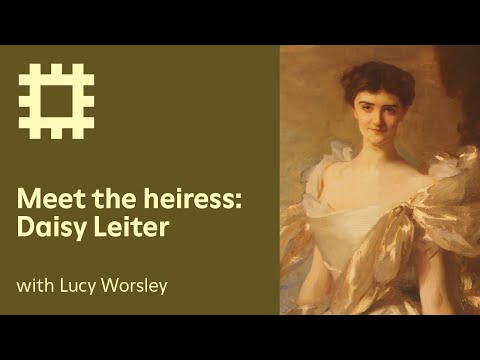
- This is the name given to rich American heiresses who came over to Britain at the turn of the 20th century and who made a habit of marrying members of the aristocracy.
This is the name given to rich American heiresses who came over to Britain at the turn of the 20th century and who made a habit of marrying members of the aristocracy.
- This is the name given to rich American heiresses who came over to Britain at the turn of the 20th century and who made a habit of marrying members of the aristocracy.
This is the name given to rich American heiresses who came over to Britain at the turn of the 20th century and who made a habit of marrying members of the aristocracy.
Fareed's Take: The Trump administration's attack on experts

- For Thomas Jefferson, nature's most precious lesson in setting up a society was that it should be run by what he called a natural aristocracy based on virtue and talents.
For Thomas Jefferson, nature's most precious lesson in setting up a society was that it should be run by what he called a natural aristocracy based on virtue and talents.
- The wrong model was the artificial aristocracy based on wealth and birth.
The wrong model was the artificial aristocracy based on wealth and birth.
HISTORY OF IDEAS - Manners

- London, England, 1209. The Book of the Civilised Man is published by a Daniel of Beckles. It's a poem written in Latin that explains how to act with courtesy and decorum in social situations. It advises, for example, if you wish to belch, remember to look up to the ceiling, do not attack your enemy while he is squatting to defecate, never pester ladies or look too closely at their dress, don't mount your horse in the hall and, in front of grandees, do not openly excavate your nostril by twisting your fingers. Slowly, the aristocracy is becoming more self-aware about its conduct in social circumstances. In particular, men are being asked to behave with more decorum around women, and there's an ever-increasing censure of picking one's nose in public.
London, England, 1209. The Book of the Civilised Man is published by a Daniel of Beckles. It's a poem written in Latin that explains how to act with courtesy and decorum in social situations. It advises, for example, if you wish to belch, remember to look up to the ceiling, do not attack your enemy while he is squatting to defecate, never pester ladies or look too closely at their dress, don't mount your horse in the hall and, in front of grandees, do not openly excavate your nostril by twisting your fingers. Slowly, the aristocracy is becoming more self-aware about its conduct in social circumstances. In particular, men are being asked to behave with more decorum around women, and there's an ever-increasing censure of picking one's nose in public.
- Slowly, the aristocracy is becoming more self-aware about its conduct in social circumstances.
Slowly, the aristocracy is becoming more self-aware about its conduct in social circumstances.
Nice, France - 1080HD Travel Video

- At that time, many families of the English aristocracy were fond of spending their winters here, with an evening walk along the sea shore as one of the highlights.
At that time, many families of the English aristocracy were fond of spending their winters here, with an evening walk along the sea shore as one of the highlights.
- aristocracy were fond of spending there winters here, with an evening walk along the sea shore
aristocracy were fond of spending there winters here, with an evening walk along the sea shore
Cherry Blossom Viewing over the Centuries: Cherry Blossoms in Japanese Culture
- Beginning in the 9th century, saplings and trees were brought down from the mountains to grace the gardens of the aristocracy.
Beginning in the 9th century, saplings and trees were brought down from the mountains to grace the gardens of the aristocracy.
- Beginning in the 9th century, saplings and trees were brought down from the mountains to grace the gardens of the aristocracy.
Beginning in the 9th century, saplings and trees were brought down from the mountains to grace the gardens of the aristocracy.
PHILOSOPHY - The Stoics
- Stoicism was a philosophy that flourished for 480 years in ancient Greece and Rome and was popular with everyone from slaves to the aristocracy because, unlike so much philosophy, it was helpful—helpful when we panic, want to give up, despair, and
Stoicism was a philosophy that flourished for 480 years in ancient Greece and Rome and was popular with everyone from slaves to the aristocracy because, unlike so much philosophy, it was helpful—helpful when we panic, want to give up, despair, and
- and was popular with everyone from slaves to the aristocracy: because - unlike so much
and was popular with everyone from slaves to the aristocracy: because - unlike so much
Amalfi Coast Vacation Travel Guide | Expedia

- The famous American writer Gore Vidal called it "the most beautiful view in the world." Before its medieval glory days, the Amalfi Coast charms drew the Roman aristocracy,
The famous American writer Gore Vidal called it "the most beautiful view in the world." Before its medieval glory days, the Amalfi Coast charms drew the Roman aristocracy,
- the Amalfi Coast’s charms drew the Roman aristocracy.
the Amalfi Coast’s charms drew the Roman aristocracy.
French Riviera: Uniquely Chic

- Humble Monaco was suddenly on the Grand Tour map, the place for the vacationing aristocracy to play.
Humble Monaco was suddenly on the Grand Tour map, the place for the vacationing aristocracy to play.
- THE PLACE FOR THE VACATIONING ARISTOCRACY TO PLAY.
THE PLACE FOR THE VACATIONING ARISTOCRACY TO PLAY.
Why Do We Dye Easter Eggs? -- Thought Glass #2

- thinning hair and they started a trend that spread throughout the aristocracy with the
thinning hair and they started a trend that spread throughout the aristocracy with the
- and they started a trend that spread throughout the aristocracy, with the term "big wig" coming from those who could afford the biggest, most elaborate wigs.
and they started a trend that spread throughout the aristocracy, with the term "big wig" coming from those who could afford the biggest, most elaborate wigs.