affixes
US
・UK
B2
n. pl.Noun (plural)Elements of a word added to a root, e.g. un...ly
'Re-' is an affix added in front of most verbs to mean they were repeated
Video subtitles
Why Do We Use Cringey Words for Loved Ones? | Otherwords

- Instead of standalone words, diminutives are affixes added to the beginning or end of words to connote smallness or cuteness.
Instead of standalone words, diminutives are affixes added to the beginning or end of words to connote smallness or cuteness.
- Instead of standalone words, diminutives are affixes added to the beginning or end of words to connote smallness or cuteness.
Instead of standalone words, diminutives are affixes added to the beginning or end of words to connote smallness or cuteness.
Prefix

- Prefixes, like other affixes, can be either inflectional (changing the syntactic category) or derivational (changing either the lexical category or the semantic meaning).
Prefixes, like other affixes, can be either inflectional (changing the syntactic category) or derivational (changing either the lexical category or the semantic meaning).
- is affixed. Prefixes, like other affixes, can be either inflectional, changing the syntactic
is affixed. Prefixes, like other affixes, can be either inflectional, changing the syntactic
English Vocabulary: Roots, Prefixes and Suffixes
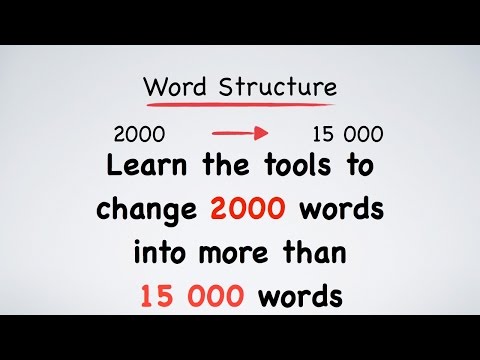
- English uses two types of morphemes: roots and affixes.
English uses two types of morphemes: roots and affixes.
- There are two types of affixes: prefixes and suffixes.
There are two types of affixes: prefixes and suffixes.
Roots and Affixes

- affixes, and they come in a few different flavors.
affixes, and they come in a few different flavors.
- Affixes are always bound – you mentally glue them onto the roots. And so we break
Affixes are always bound – you mentally glue them onto the roots. And so we break
How languages steal words from each other
- The new language keeps the other bits that are clinging on, called affixes and clitics, and those get baked into the long word itself.
The new language keeps the other bits that are clinging on, called affixes and clitics, and those get baked into the long word itself.
- The new language keeps the other bits that are clinging on, called affixes and clitics.
The new language keeps the other bits that are clinging on, called affixes and clitics.
there’dn’t’ve
- Now, we've talked about things like this before, prefixes, suffixes, and other affixes, things that attach to words like able or un.
Now, we've talked about things like this before, prefixes, suffixes, and other affixes, things that attach to words like able or un.
- other affixes—things that attach to words like "ubble" or "un." But acclitic isn't one of those,
other affixes—things that attach to words like "ubble" or "un." But acclitic isn't one of those,
The Longest Word in Any Language
- But these affixes only buy us a few characters and they give me grammatical headaches, so no big wins here.
But these affixes only buy us a few characters and they give me grammatical headaches, so no big wins here.