taboo
US /təˈbu, tæ-/
・UK /təˈbu:/
B2
adj.AdjectiveNot being accepted by customs or society
It is taboo to ask someone how much money they make
v.t.Transitive VerbTo not allow something
It is taboo to talk about religion at work
Video subtitles
How Words Can Harm: Crash Course Philosophy #28

- The use-mention distinction is helpful when we talk about sensitive or taboo words, because we have to use them in order to talk about them.
The use-mention distinction is helpful when we talk about sensitive or taboo words, because we have to use them in order to talk about them.
- And there are many kinds of taboo words.
And there are many kinds of taboo words.
Asking People in Brighton HOW MUCH MONEY They Earn | Easy English 184

- I wanted to know what people do to make a living in the UK, how they train for that job, if they even have a university degree, what advice they have for getting on the job market, and also the taboo question, how much do they make?
I wanted to know what people do to make a living in the UK, how they train for that job, if they even have a university degree, what advice they have for getting on the job market, and also the taboo question, how much do they make?
- also the taboo question: how much do they make?
also the taboo question: how much do they make?
South Korea Is Everything Wrong With Society

- She would even openly talk about subjects that are taboo in South Korean culture, like mental health or even romance.
She would even openly talk about subjects that are taboo in South Korean culture, like mental health or even romance.
- She would even openly talk about subjects that are taboo in South Korean culture, like mental health or even romance.
She would even openly talk about subjects that are taboo in South Korean culture, like mental health or even romance.
10 Reasons NOT to MOVE to JAPAN

- if there's noise in the house or garbage is recycled the wrong way, which is also a big taboo or maybe you're a bicycle or a bicycle's parked in the wrong way, people and your landlord might be tempted to think that it's you because you might be the only foreigner in that housing block.
if there's noise in the house or garbage is recycled the wrong way, which is also a big taboo or maybe you're a bicycle or a bicycle's parked in the wrong way, people and your landlord might be tempted to think that it's you because you might be the only foreigner in that housing block.
- If there's noise in the house or garbage is recycled the wrong way, which is also a big taboo, or maybe you have a bicycle or e-bicycles parked in the wrong way, people and your landlord might be tempted to think that it's you because you might be the only foreigner in that housing block.
If there's noise in the house or garbage is recycled the wrong way, which is also a big taboo, or maybe you have a bicycle or e-bicycles parked in the wrong way, people and your landlord might be tempted to think that it's you because you might be the only foreigner in that housing block.
What's the point of the menopause? | BBC Ideas

- Menopause shouldn't be taboo or a dirty word, so maybe what really needs to evolve now is society's attitudes.
Menopause shouldn't be taboo or a dirty word, so maybe what really needs to evolve now is society's attitudes.
- Menopause shouldn't be taboo or a dirty word.
Menopause shouldn't be taboo or a dirty word.
Geography of Papua New Guinea: The Most Interesting Country in the World?
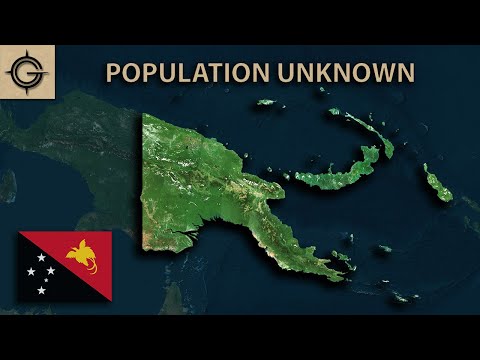
- In many Papuan cultures, it is taboo to speak the names of certain individuals, such as in-laws, priests, or deceased persons.
In many Papuan cultures, it is taboo to speak the names of certain individuals, such as in-laws, priests, or deceased persons.
- In many Papuan cultures, it is taboo to speak the names of certain individuals, such as in-laws, priests, or deceased persons.
In many Papuan cultures, it is taboo to speak the names of certain individuals, such as in-laws, priests, or deceased persons.
People Tell Us About The First Time They Pleasured Themselves | Keep it 100 | Cut
- I grew up Catholic, so that was very taboo.
I grew up Catholic, so that was very taboo.
- I grew up Catholic, so that was very taboo.
I grew up Catholic, so that was very taboo.
民主臺灣曾經歷血腥鎮壓!A Massacre before Democracy: the history of the 228 incident in Taiwan | 臺灣吧 Taiwan Bar

- In the 1980s, Taiwan caught the waves of democratic reformation and 228 was finally not considered taboo anymore.
In the 1980s, Taiwan caught the waves of democratic reformation and 228 was finally not considered taboo anymore.
- In the 1980s, Taiwan caught the waves of democratic reformation, and 228 was finally not considered taboo anymore.
In the 1980s, Taiwan caught the waves of democratic reformation, and 228 was finally not considered taboo anymore.
Avoid Doing This In JAPAN! 🙅

- and it's taboo, is doing makeup on the train.
and it's taboo, is doing makeup on the train.
- Something that I don't think a lot of foreigners do, but I've seen Japanese people do, and it's taboo, is doing makeup on the train.
Something that I don't think a lot of foreigners do, but I've seen Japanese people do, and it's taboo, is doing makeup on the train.
Quiz: How Sexually Repressed Are You (self quiz)?

- We're taught to hide it, feel ashamed, or avoid talking about it altogether, especially in cultures where even thinking about sex can feel taboo, or where exploring your body or desires might be seen as dirty, sinful, or too much.
We're taught to hide it, feel ashamed, or avoid talking about it altogether, especially in cultures where even thinking about sex can feel taboo, or where exploring your body or desires might be seen as dirty, sinful, or too much.
- about sex can feel taboo,
about sex can feel taboo,