Vocabulary
- have to: Must do
- for example: As an illustration or instance.
- talking about: To discuss a particular topic.
- look at: To use your eyes to focus on something
- dispose of: To get rid of something, especially by throwing it away.
- look to: Be looking to. be planning to (do something)
- search for: To try to find someone or something.
- see in: To accompany someone to the entrance of a building or room.
- take with: To bring something or someone along when you go somewhere.
- on the go: Very busy and active.
- at work: Located at one's place of employment
- word of mouth: Information spread by people telling each other.
- come up with: To think of an idea or solution; produce
- on paper: In theory or as a plan, but not necessarily in reality.
- in mind: Being aware of or considering something.
- at some point: At an unspecified time, usually in the future.
- go back to: To return to a starting point
- point out: To make others aware of an idea
- in other words: Stating something in a different way, often to make it clearer or more understandable.
- in fact: Used to emphasize the truth of a statement, especially one that contrasts with or contradicts something else.
- process: To organize and use data in a computer
- cognitive: The process of knowing and remembering
- important: Having power or authority
- decision: Choice made after thinking; final judgment
- problem: Something difficult to deal with or causes trouble
- behavior: The way a person or thing acts; manner
- personal: Done by or to a particular person; individual
- purchase: To buy something; to get by paying money for it
- level: Specific height of something
- external: Concerning foreign countries
- product: Item that can be bought
- solve: To figure out a way to handle a difficult problem
- recognition: Accepting that something is true or that it exists
- satisfaction: Happy feeling because of something that you did
- consumer: Person who buys goods or services
Get the full experience in the app
Learn anywhere with detailed sentence and usage analysis
01:03
She took a brave step forward, leaving behind her comfort zone to chase her dreams.
Vocabulary
- brave
adj. Having courage
- comfort zone
phr. A familiar situation where one feels safe
Explanation
a brave step is a noun phrase, where brave is an adjective modifying the noun step, meaning "a courageous step".
forward is an adverb modifying step, meaning "ahead".
The whole phrase serves as the object, answering the "what" of took (verb) — she took a brave step forward.
Get the full experience in the app
Look up words anytime with pronunciation, part of speech, and usage
brave
US/brev/
UK/breɪv/
adj.Brave
v.t.To bravely face
A2 Elementary
Get the full experience in the app
Practice speaking anytime and get instant pronunciation feedback
Try this speaking exercise.
Try practicing with this sentence.
80
Market Sensing: Consumer Behavior Decision Process
0
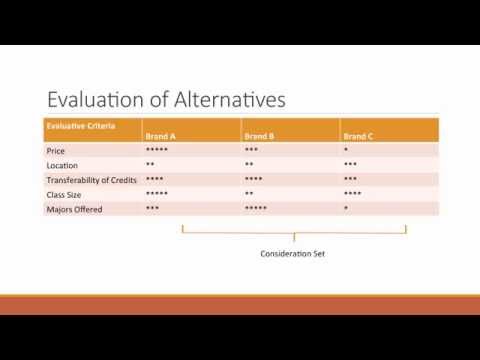
Jack posted on 2016/05/10Ever wonder why you choose one product over another? This video dives into the fascinating consumer behavior decision process, from recognizing a need to that final purchase, and you'll pick up some awesome vocabulary like 'cognitive dissonance' along the way! It's a super practical look at how marketing works, using examples like Budweiser and StarKist Tuna that make it easy to understand.
Learn this video on the APP!
The VoiceTube App has more in-depth practice for videos!