Vocabulary
- look at: To use your eyes to focus on something
- to do with: To be about something; concern
- instead of: When one thing is replaced by another
- talking about: To discuss a particular topic.
- think about: To consider something carefully.
- work on: To devote effort to improve or develop something
- in the moment: At the present time; now.
- person: Man, woman or child
- imagine: To think creatively about; form mental picture of
- good: Proper, appropriate or right
- moment: Very short or brief period of time
- guy: Man; boy; any person
- personality: Way someone is or reacts to life or other people
- drive: A person's ambition and motivation to do something
- act: To behave in a certain way
- action: Something that a person or thing does
- polite: Showing good manners or respect for other people
- difference: A thing or issue that people do not agree about
- rude: Being unkind or impolite to others; disrespectful
- bad: Not good; wrong
- add: To include as well
- stupid: Not intelligent; lacking ability to learn easily
Get the full experience in the app
Learn anywhere with detailed sentence and usage analysis
01:03
She took a brave step forward, leaving behind her comfort zone to chase her dreams.
Vocabulary
- brave
adj. Having courage
- comfort zone
phr. A familiar situation where one feels safe
Explanation
a brave step is a noun phrase, where brave is an adjective modifying the noun step, meaning "a courageous step".
forward is an adverb modifying step, meaning "ahead".
The whole phrase serves as the object, answering the "what" of took (verb) — she took a brave step forward.
Get the full experience in the app
Look up words anytime with pronunciation, part of speech, and usage
brave
US/brev/
UK/breɪv/
adj.Brave
v.t.To bravely face
A2 Elementary
Get the full experience in the app
Practice speaking anytime and get instant pronunciation feedback
Try this speaking exercise.
Try practicing with this sentence.
80
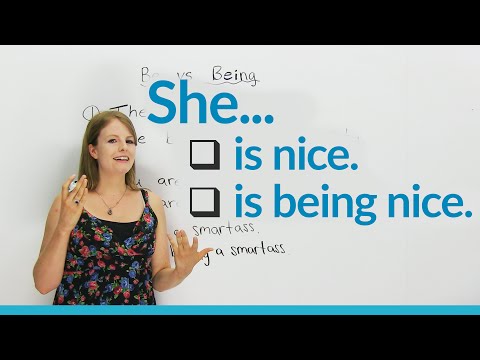
Describing people in English: BE or BEING?
0
Shuwen Wu posted on 2016/02/09Ever get confused between 'BE' and 'BEING' when describing people? This video breaks down exactly when to use each one, helping you avoid common mistakes and sound more natural when talking about personality versus behavior. You'll pick up practical grammar tips that you can use in your daily conversations right away!
Learn this video on the APP!
The VoiceTube App has more in-depth practice for videos!